
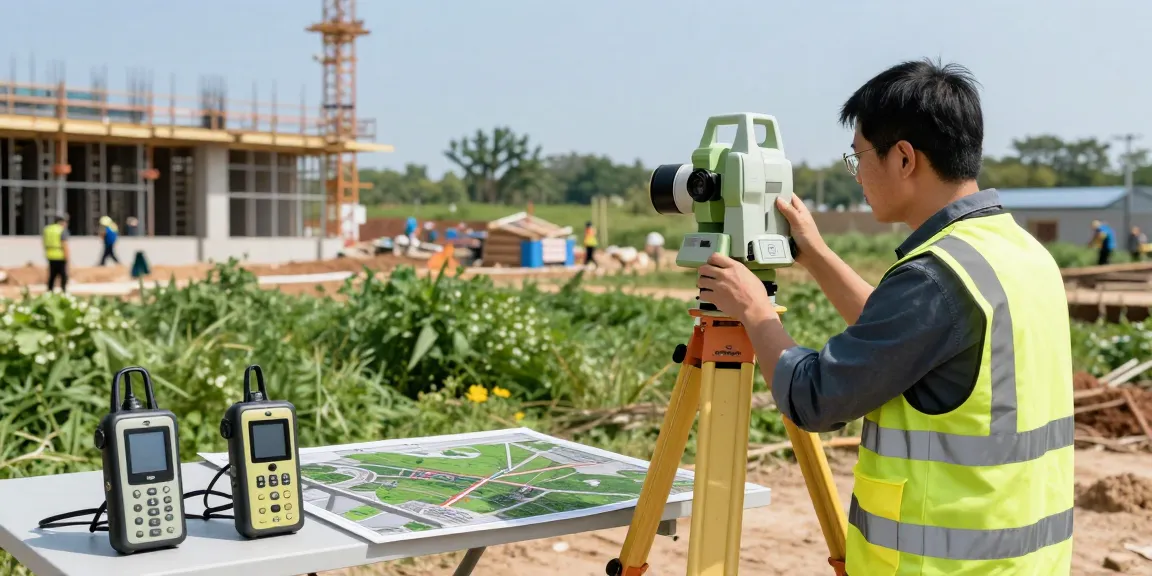
Understanding Measured Building Surveys
In the ever-evolving landscape of construction and real estate in London, the significance of precise measurements and accurate data cannot be underestimated. Whether undertaking a renovation, new build, or commercial development, a measured building survey serves as a critical foundation for success. This type of survey meticulously documents the dimensions and characteristics of existing buildings, allowing designers and architects to make informed decisions. When exploring options, Measured building survey london provides comprehensive insights vital for effective planning.
What is a Measured Building Survey?
A measured building survey is a detailed assessment of a structure, capturing its dimensions, geometry, and significant architectural features. This survey encompasses various elements, including floor plans, elevations, and sections, often creating a thorough documentation of the building’s current state. Using advanced surveying equipment, surveyors ensure that measurements are accurate, helping clients to understand the intricacies of the space before any development begins.
Importance of Measured Surveys in Construction
In construction, having precise measurements from a measured building survey is paramount. They not only facilitate design accuracy but also streamline the planning process. Architects and engineers rely on this data to create designs that are both practical and compliant with local regulations. Moreover, a measured building survey mitigates risks associated with structural integrity and compliance, ensuring that projects meet legal standards.
Key Components of a Measured Building Survey
- Floor Plans: Detailed layouts that outline the spatial configuration of each floor, indicating locations of walls, doors, and windows.
- Elevations: Vertical drawings representing the exterior views of the building from different angles.
- Sections: Cross-sectional views through the building that depict internal structures and relationships between spaces.
- 3D Models: Advanced surveys may use photogrammetry or laser scanning to generate immersive three-dimensional representations of the property.
Benefits of Measured Building Surveys
Enhancing Project Accuracy and Efficiency
Accurate surveys save time and costs by preventing errors during the design and construction phases. Measured building surveys eliminate guesswork, allowing contractors to proceed with confidence. When working on complex projects, the use of up-to-date survey data ensures that all stakeholders are aligned with the dimensions and configurations of the site.
Reducing Risks and Costly Reworks
Inaccuracies in measurements can lead to catastrophic issues during construction, resulting in delays and financial losses. By employing a measured building survey, developers can identify potential discrepancies before they escalate, thereby reducing the risk of costly rework. This proactive approach not only safeguards the project timeline but also the budget.
Supporting Planning and Development Applications
Local authorities often require detailed surveys as part of planning applications. A measured building survey provides the necessary documentation to demonstrate compliance with zoning laws and building codes. It showcases the existing layout and any proposed changes, thereby playing a pivotal role in facilitating the approval process for development projects.
Cost Factors for Measured Building Surveys in London
Typical Pricing Structures and Estimates
The cost of a measured building survey can vary significantly based on the size and complexity of the property. Typically, small residential surveys might start at approximately £450, while more extensive commercial surveys can exceed £1,500. Understanding the financial implications of these surveys helps clients budget effectively for their projects.
Elements Influencing Survey Costs
- Size of the Property: Larger buildings require more time and resources to survey, affecting overall costs.
- Complexity of the Structure: Unique architectural features or challenging site conditions may require additional surveying effort.
- Delivery Format: Different formats (CAD, BIM, etc.) for survey output can influence pricing.
Obtaining Competitive Quotes
To ensure value for money, it is advisable to obtain multiple quotes from different surveying companies. Comparing services and prices will empower clients to make informed choices tailored to their specific needs. Additionally, reading reviews and seeking recommendations can lead to selecting a reputable service provider.
Choosing the Right Surveying Company
Certification and Experience Requirements
When selecting a surveying company, it is crucial to assess their credentials. Look for firms that hold relevant certifications and accreditations, ensuring they adhere to industry standards. Experienced surveyors not only bring technical expertise but also an understanding of local building regulations and planning procedures.
Evaluating Service Quality and Technology Used
Investigate the technology and methodologies employed by the surveying company. Modern techniques, such as 3D laser scanning and drone technology, can significantly enhance the quality and efficiency of the survey process. High-quality deliverables reflect a firm’s commitment to precision and professionalism.
Reading Client Testimonials and Case Studies
Client feedback is invaluable when selecting a surveying company. Reading testimonials or case studies can provide insights into the company’s reliability, work ethic, and the overall satisfaction of previous clients. A reputable firm will be more than willing to share their success stories and positive experiences.
Frequently Asked Questions about Measured Building Surveys
What types of projects require a measured building survey?
Measured building surveys are commonly required for renovation projects, new constructions, and commercial developments. They are also essential for changes in property usage or when extensive alterations are planned.
How long does a typical measured building survey take?
The duration of a survey can vary based on project scope. Generally, a small residential survey may take a few hours, while larger commercial properties can take several days to complete.
What technologies are used in modern measured building surveys?
Modern surveys leverage advanced technologies such as total stations, GPS systems, laser scanners, and drones. These tools help achieve greater accuracy and efficiency in data collection.
How can I prepare for a measured building survey?
To prepare for a survey, ensure that the property is accessible, and eliminate obstructions that may hinder the surveyor’s work. Providing any previous plans or drawings can also assist the surveyors in understanding the site better.
Are there specific regulations that affect survey costs?
Yes, costs can be influenced by local regulations, including planning permissions, safety codes, and environmental assessments. Understanding these requirements can help in budgeting for the survey.